Physical Address
304 North Cardinal St.
Dorchester Center, MA 02124
Physical Address
304 North Cardinal St.
Dorchester Center, MA 02124

Explore practical guides and tools for Microsoft 365, Azure, and PowerShell. Enhance your cloud security and admin skills with expert insights and automation tips.
Explore practical guides and tools for Microsoft 365, Azure, and PowerShell. Enhance your cloud security and admin skills with expert insights and automation tips.
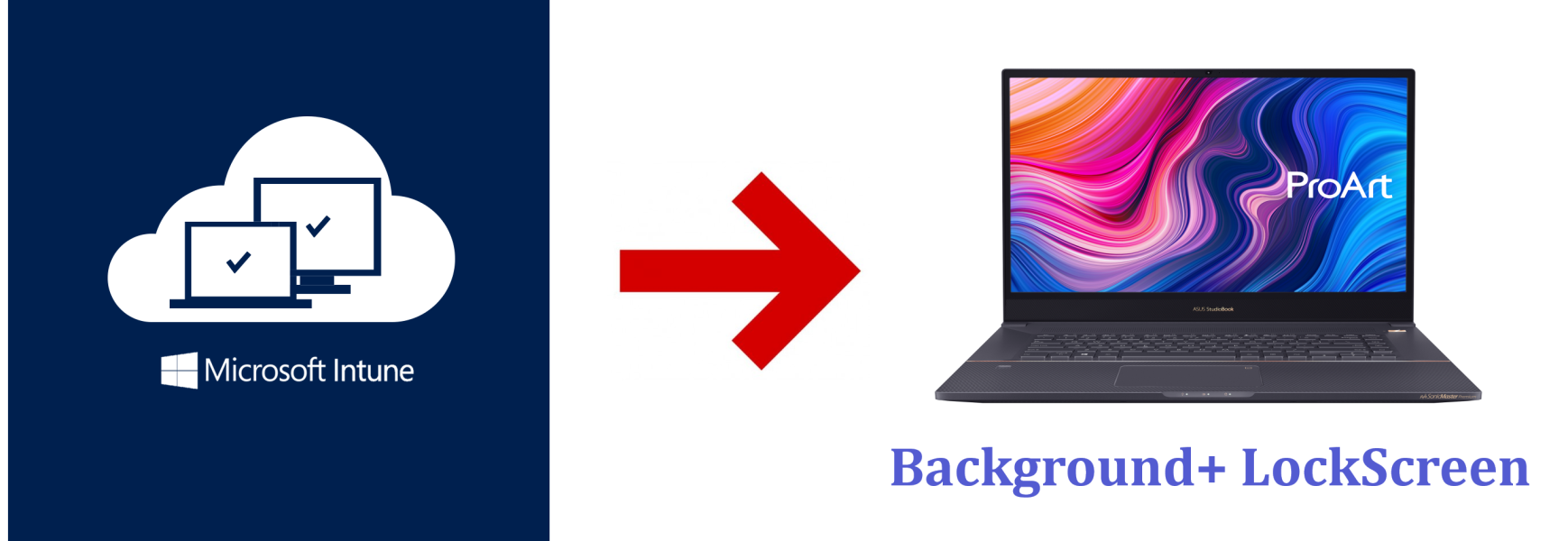

Large organizations often use desktop wallpapers to convey important information to employees. This can include company achievements, recent news, policy updates, company brand or marketing material and more, ensuring effective communication with the workforce.
You can customize the desktop background picture for Microsoft Managed Desktop devices in your organization.
This artical we will discuss how to set Corporate background and Lockscreen for all Windows joined machines.
These requirements must be met for a desktop background picture:
So if you dont have an Storage Account, you can find here step by step explanation : Create Azure Storage Account and understand the different use cases by examples | LinkedIn
After accessing your storage Account, click on the container section and create a new container (you can use an existing container).
See this article to find out how to create a container:
Create Azure Storage Account and understand the different use cases by examples | LinkedIn
I’ll then upload two JPG files, one for the Background and the other for the Lockscreen.

These steps enable you to create a SAS (Shared Access Signature) link to provide secure access to a file stored, for example, in Azure Storage. The SAS link is a convenient way of sharing files without having to give full access to your storage account.

Repeat steps 1 to 4 with the second file and copy the URL into a notepad.
Here are the red-numbered steps for creating a configuration profile for a machine attached to Intune, as shown in the image :
These steps guide you through the creation of a configuration profile for Intune attached machines using the Microsoft Intune Administration Center.

Once you’ve clicked on “Create”, you’ll need to configure the “Device Restriction Policy”.
give your Policy a name and click on “Next”.

in the “Configuration Settings” section, add the SAS links already copied from the Blob, as shown in the following images.


in the “Assignment” section, add a specific group or add “All devices” and click on “Next”.

click on the “Create” button to create the “Device Policy”.

Desktop Background

Similarly, the lockscreen and background are managed by Intune, as shown in the screenshot below. The user cannot change the lock screen background, and the button to browse for a file to change it is greyed out, along with all other settings.

In this blog post, we’ve learned how to set desktop and lock screen wallpapers using Intune. The wallpapers will be centrally managed once you deploy this device configuration profile. Just update the wallpapers in your Azure storage account whenever you want to deploy new desktop backgrounds and lock screens on the devices.
Thanks